About the Department
Department of Computer Science & Engineering (AI & ML / AI & DS)
Computer Science & Engineering (AI & ML / AI & DS)
The Department of Computer Science & Engineering focuses on developing strong foundations in computing, programming, software engineering, emerging technologies, problem solving and professional skills.
The department offers undergraduate and postgraduate programmes in Computer Science and related technology domains, preparing students for higher education, industry careers, entrepreneurship and lifelong learning.
Courses Offered
Undergraduate, postgraduate and diploma programmes.
B.Tech CSE
Bachelor of Technology in Computer Science & Engineering.
UndergraduateB.Tech CSE (AI & ML)
Bachelor of Technology in Computer Science & Engineering with Artificial Intelligence & Machine Learning.
UndergraduateB.Tech CSE (AI & DS)
Bachelor of Technology in Computer Science & Engineering with Artificial Intelligence & Data Science.
UndergraduateM.Tech CSE (AI & ML)
Master of Technology in Computer Science & Engineering with Artificial Intelligence & Machine Learning.
PostgraduateDiploma (CSE)
Diploma programme in Computer Science & Engineering.
DiplomaVision & Mission
Vision and mission of the Department of CSE.
CSE Vision
To be a recognized centre of excellence in computer science and Engineering education, producing technically competent and ethically grounded professionals equipped with global industry skills to serve and uplift society through sustainable technological solutions.
Quality Education
To deliver a high-quality, outcome-based curriculum through state-of-the-art infrastructure, empowering students with core computing knowledge and mastery over emerging technology tools.
Research & Innovation
To foster a vibrant environment for research, innovation, and industry-institute collaboration, promoting lifelong learning and entrepreneurial mindsets.
Ethics & Society
To instill strong professional ethics, leadership qualities, and a deep commitment to developing sustainable computing solutions for the welfare of society.
Program Outcomes
Graduates of the programme are expected to achieve the following outcomes.
Engineering Knowledge
Apply knowledge of mathematics, natural science, computing, engineering fundamentals and an engineering specialization as specified in WK1 to WK4 respectively to develop solutions to complex engineering problems.
Problem Analysis
Identify, formulate, review research literature and analyze complex engineering problems reaching substantiated conclusions with consideration for sustainable development. (WK1 to WK4)
Design / Development of Solutions
Design creative solutions for complex engineering problems and design or develop systems, components and processes to meet identified needs with consideration for public health and safety, whole-life cost, net zero carbon, culture, society and environment. (WK5)
Conduct Investigations of Complex Problems
Conduct investigations of complex engineering problems using research-based knowledge including design of experiments, modelling, analysis and interpretation of data to provide valid conclusions. (WK8)
Engineering Tool Usage
Create, select and apply appropriate techniques, resources and modern engineering and IT tools, including prediction and modelling recognizing their limitations to solve complex engineering problems. (WK2 and WK6)
The Engineer and The World
Analyze and evaluate societal and environmental aspects while solving complex engineering problems for their impact on sustainability with reference to economy, health, safety, legal framework, culture and environment. (WK1, WK5 and WK7)
Ethics
Apply ethical principles and commit to professional ethics, human values, diversity and inclusion; adhere to national and international laws. (WK9)
Individual and Collaborative Team Work
Function effectively as an individual, and as a member or leader in diverse and multidisciplinary teams.
Communication
Communicate effectively and inclusively within the engineering community and society at large, including effective reports, design documentation and presentations considering cultural, language and learning differences.
Project Management and Finance
Apply knowledge and understanding of engineering management principles and economic decision-making and apply these to one's own work, as a member and leader in a team, and to manage projects in multidisciplinary environments.
Life-Long Learning
Recognize the need for, and have the preparation and ability for independent and lifelong learning, adaptability to new and emerging technologies and critical thinking in the broadest context of technological change. (WK8)
Program Specific Outcomes
Programme-specific capabilities expected from Computer Science & Engineering graduates.
Foundation & Analysis
Understand, analyze, and develop computer programs and system architectures in domains related to algorithms, system software, databases, networking, and artificial intelligence.
Software Engineering & Security
Apply standard software development practices, software engineering methodologies, and cyber security strategies using modern tools to deliver reliable software products.
Career & Lifelong Learning
Employ modern computer languages, environments, and specialized platforms to establish innovative paths for industry employment, entrepreneurship, or higher studies.
General Facilities
Facilities supporting teaching, practical learning, technical activities and student development.
Computer Laboratories
Computer laboratory facilities for programming, software development, practical sessions and technical coursework.
Smart Classrooms
Technology-enabled classrooms supporting interactive teaching, presentations and digital learning resources.
Internet Connectivity
Internet-enabled academic facilities supporting online learning, research and technical activities.
Library Resources
Access to academic books, reference materials and learning resources relevant to computing education.
Seminar & Activity Facilities
Facilities for seminars, workshops, technical events, presentations and student activities.
Technical Support
Technical and laboratory support for academic, practical and departmental activities.
Faculty & Staff
Faculty and technical support team associated with Computer Science and related programmes.
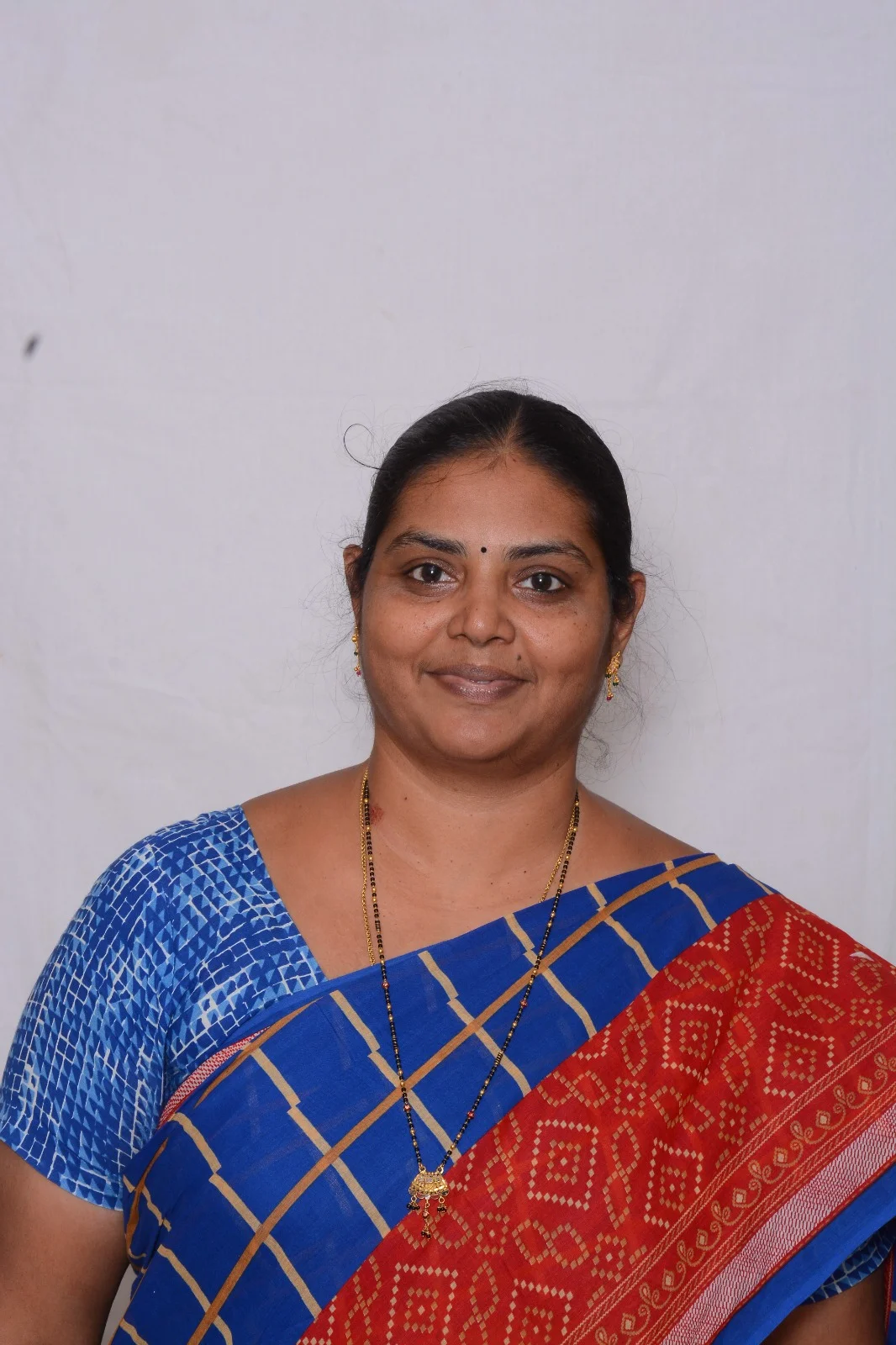
Prof. N. Sushma
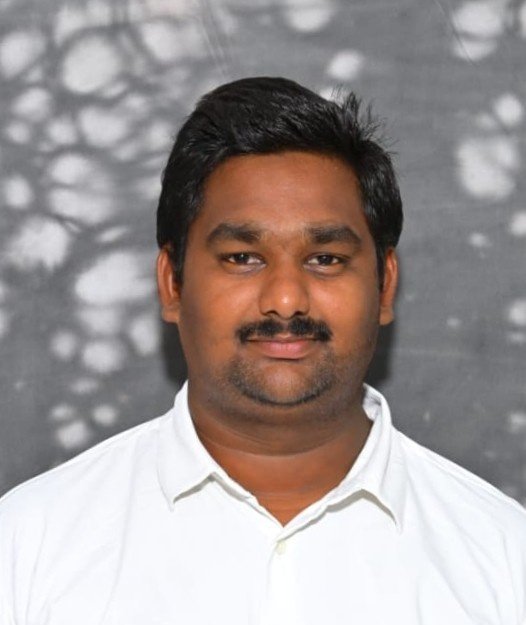
V. Karthikeya
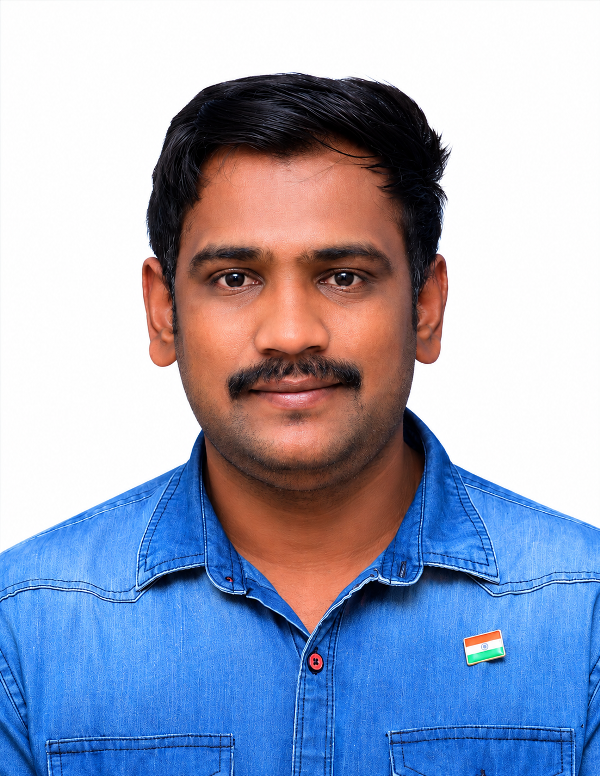
T. Uday
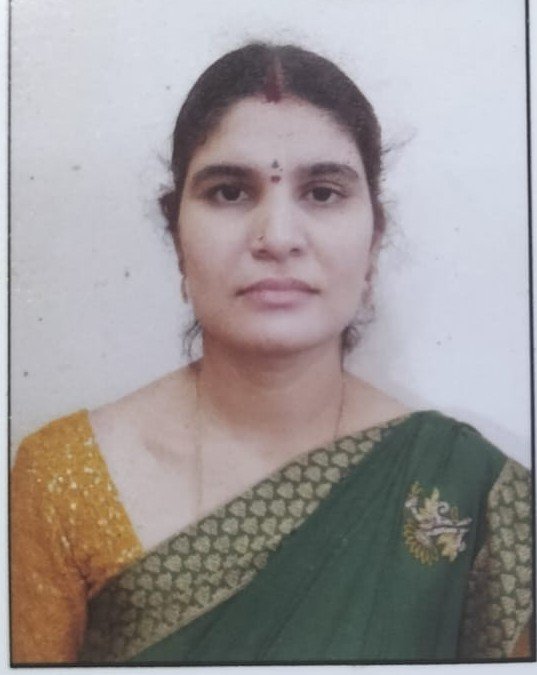
S. Prathyusha
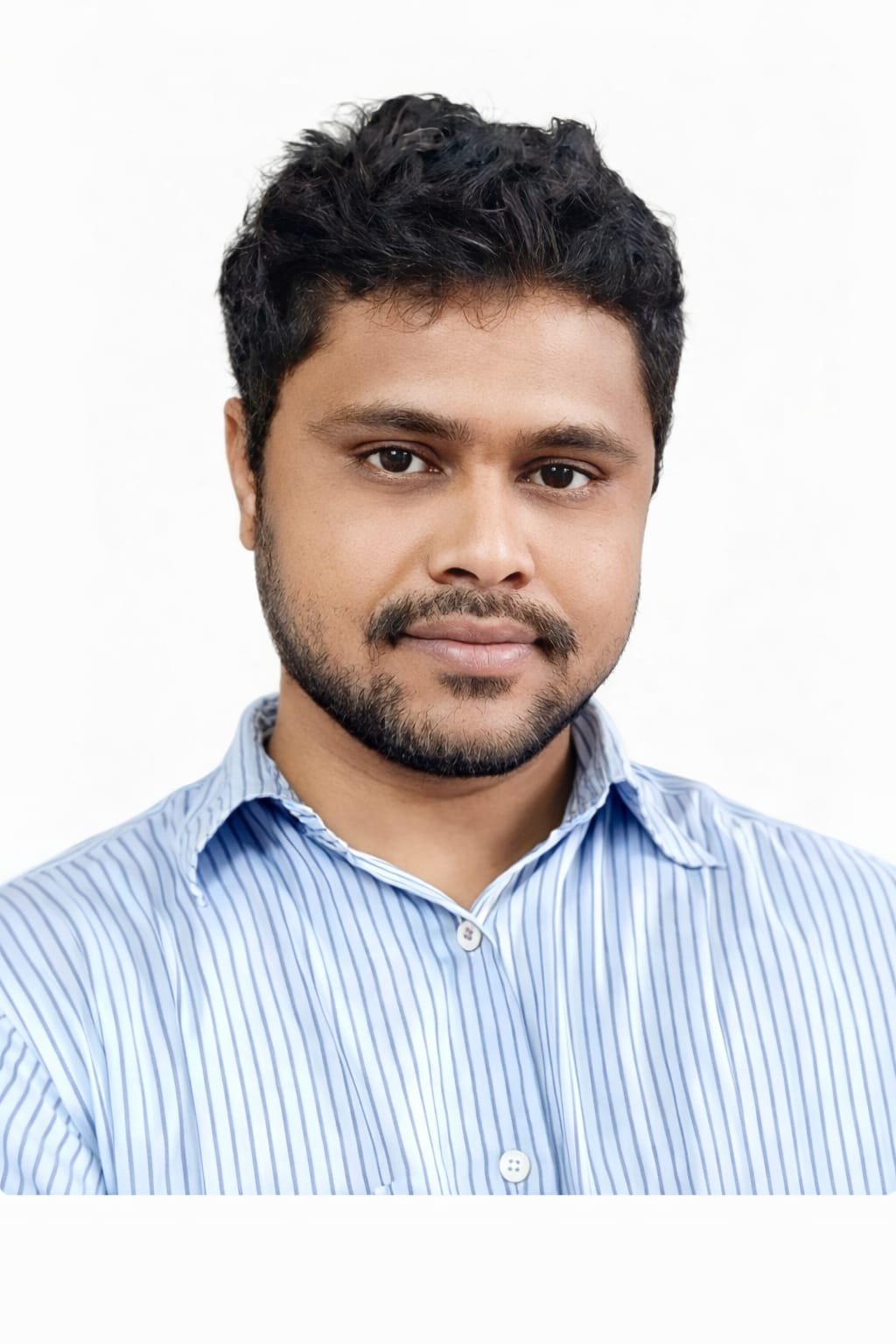
M. Chakrapani
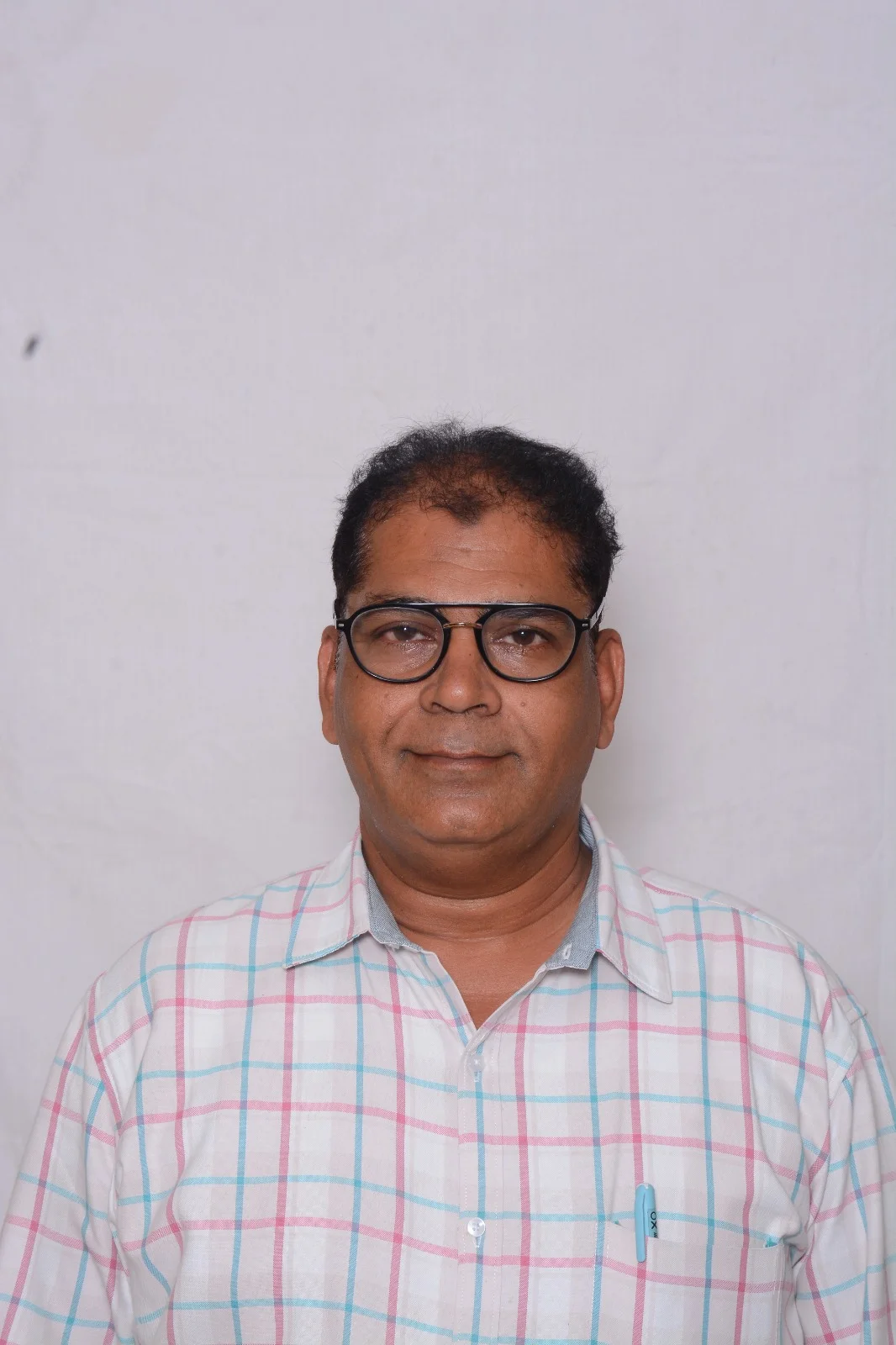
Dr. Sadat Ali
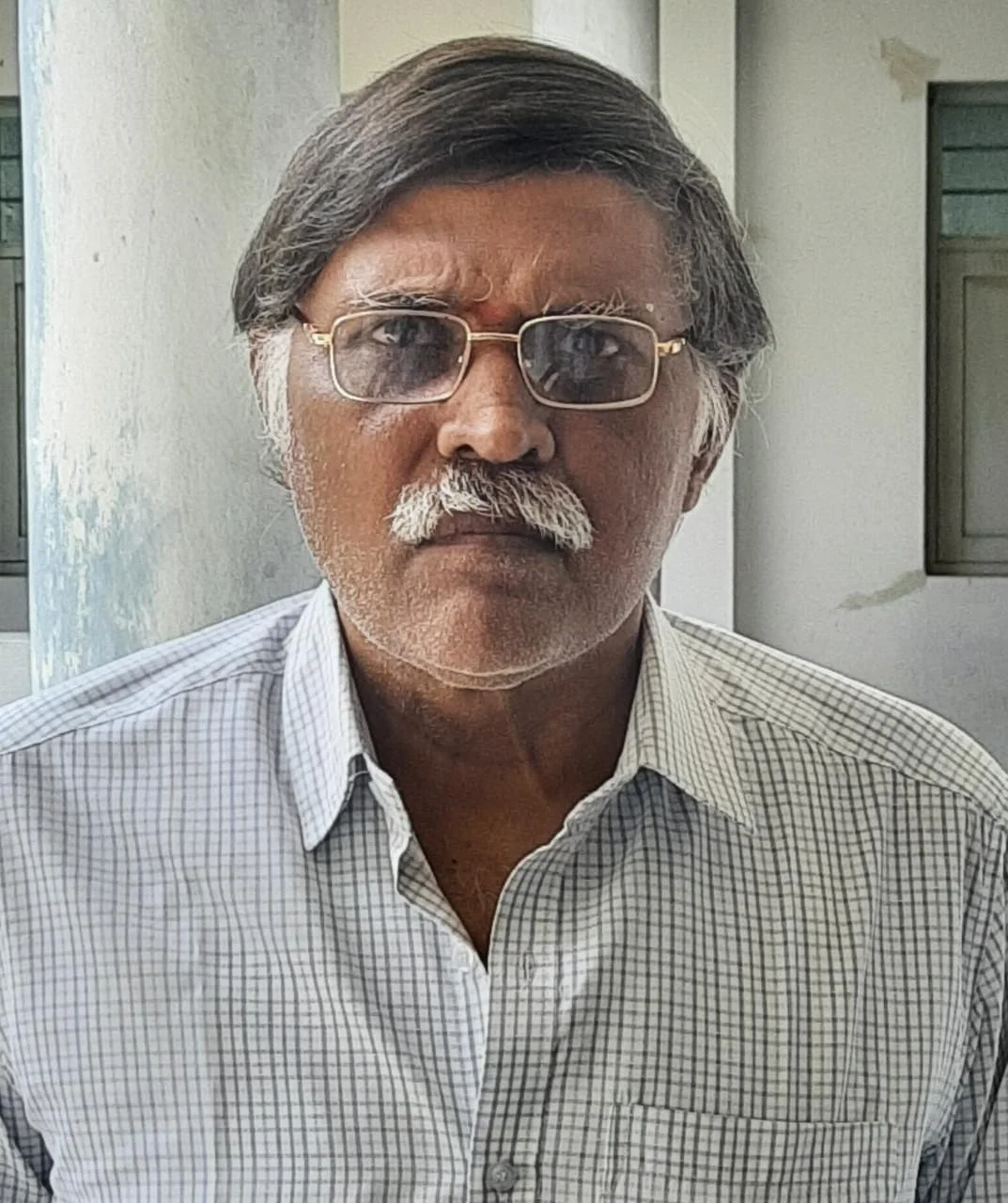
V. Chandra Sekhar
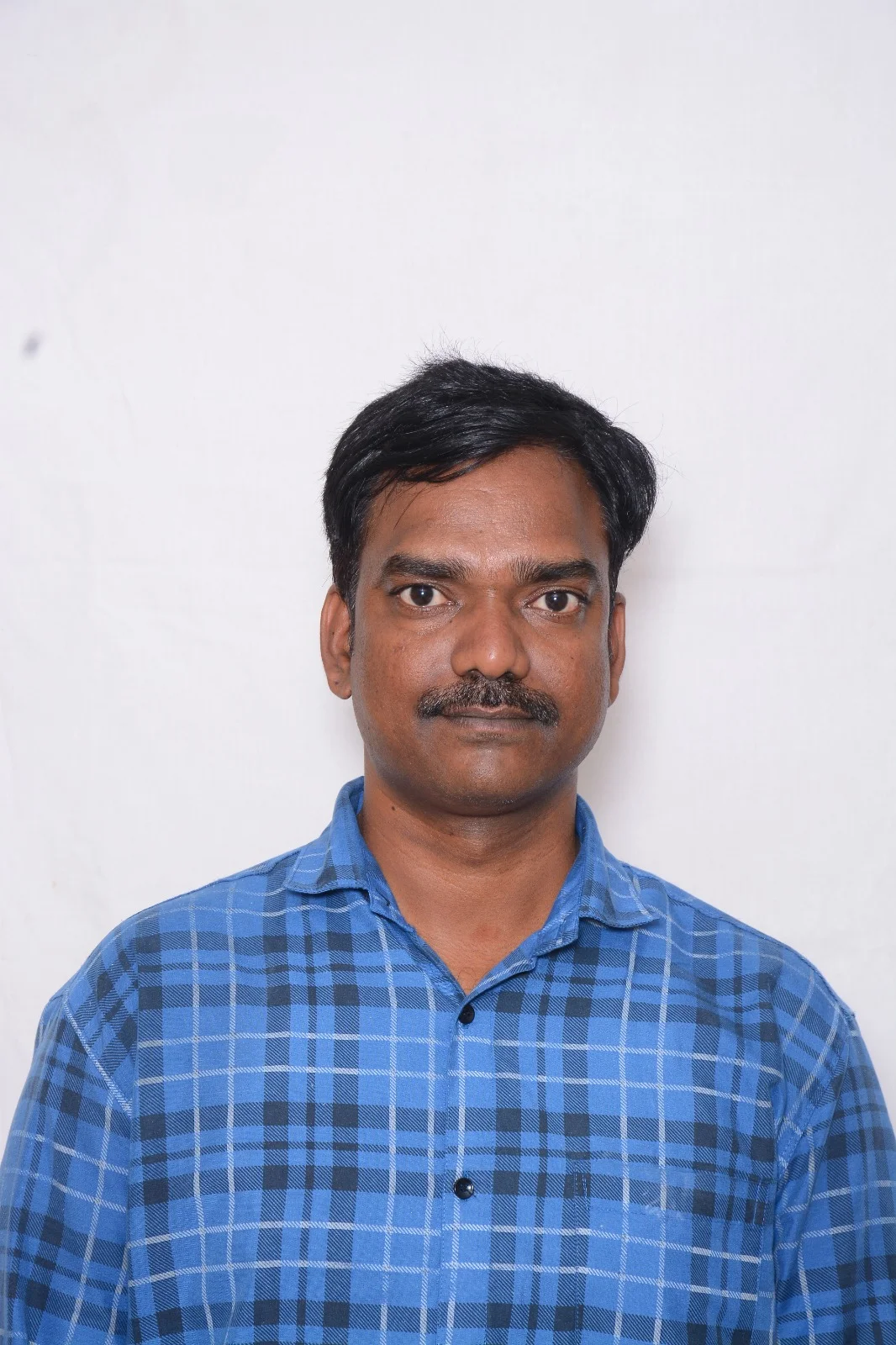
G. Rama Krishna
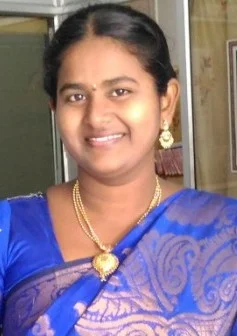
B. Revathi
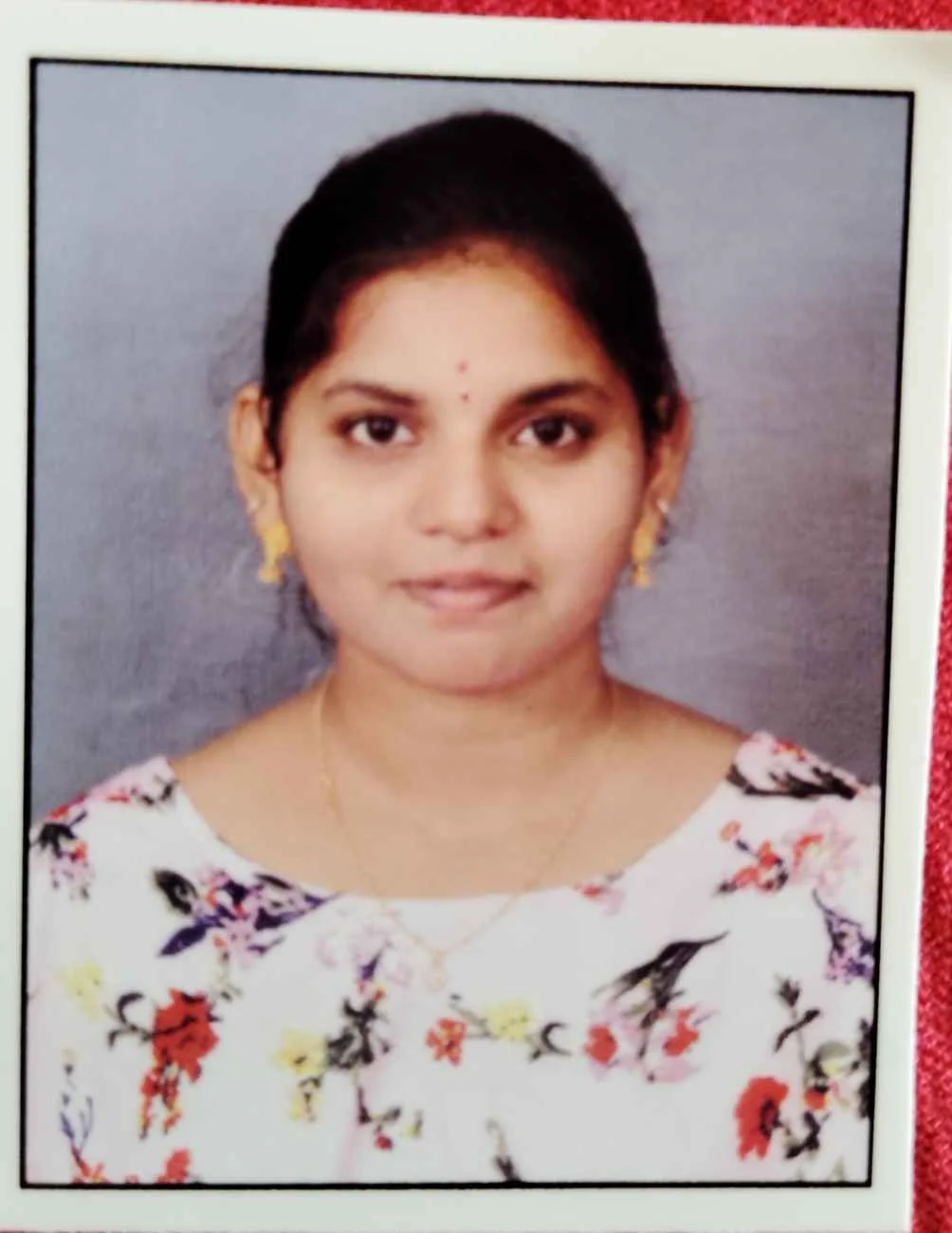
Ch. Revathi
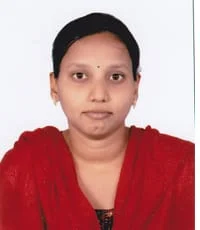
R. Sree Devi
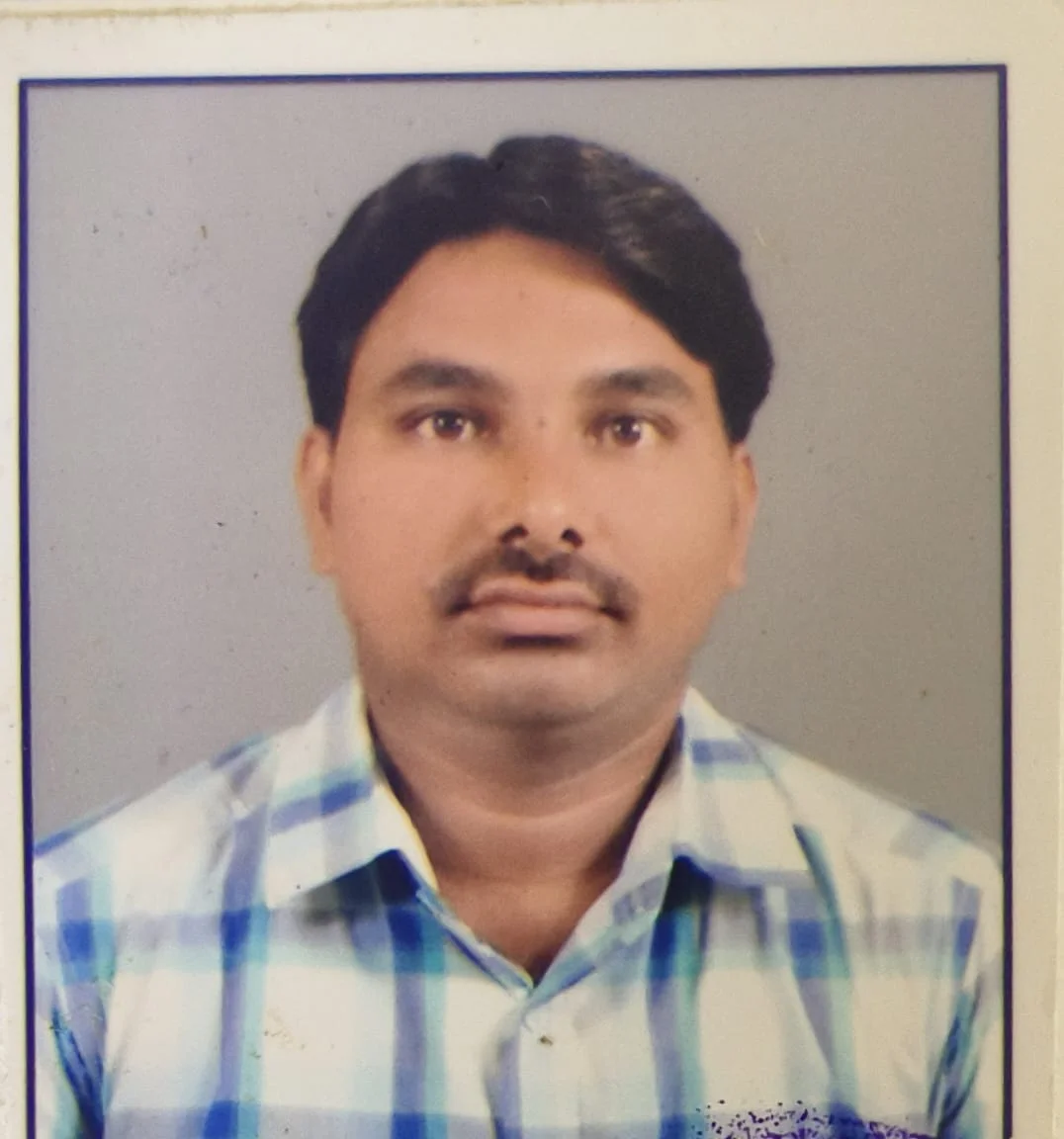
V. Suresh
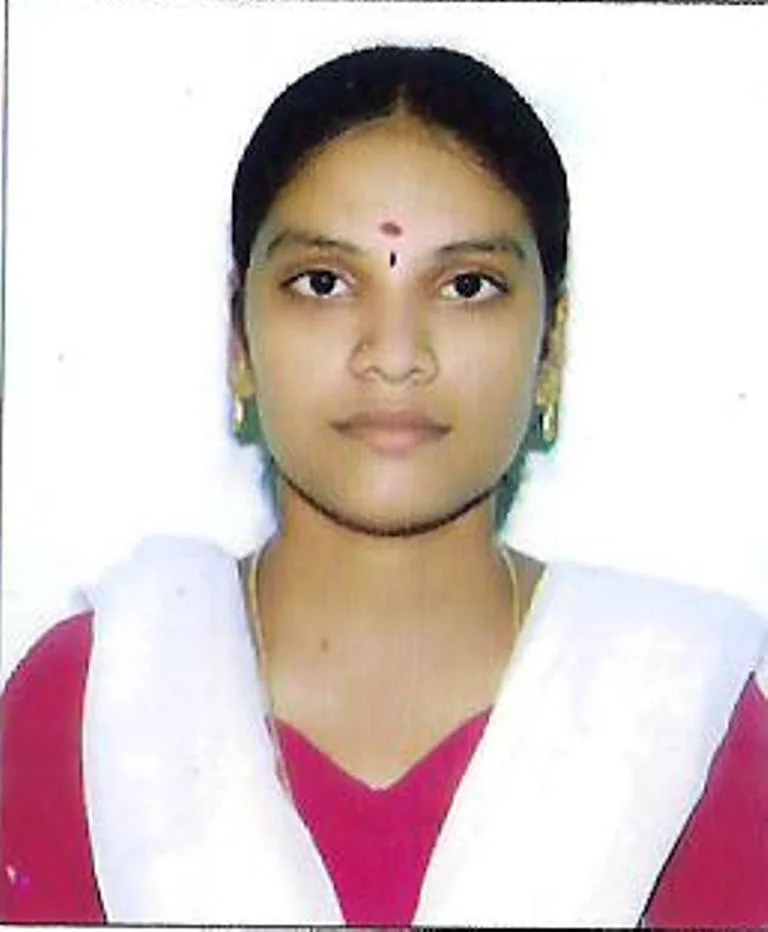
P. Ramya Venkata Lakshmi
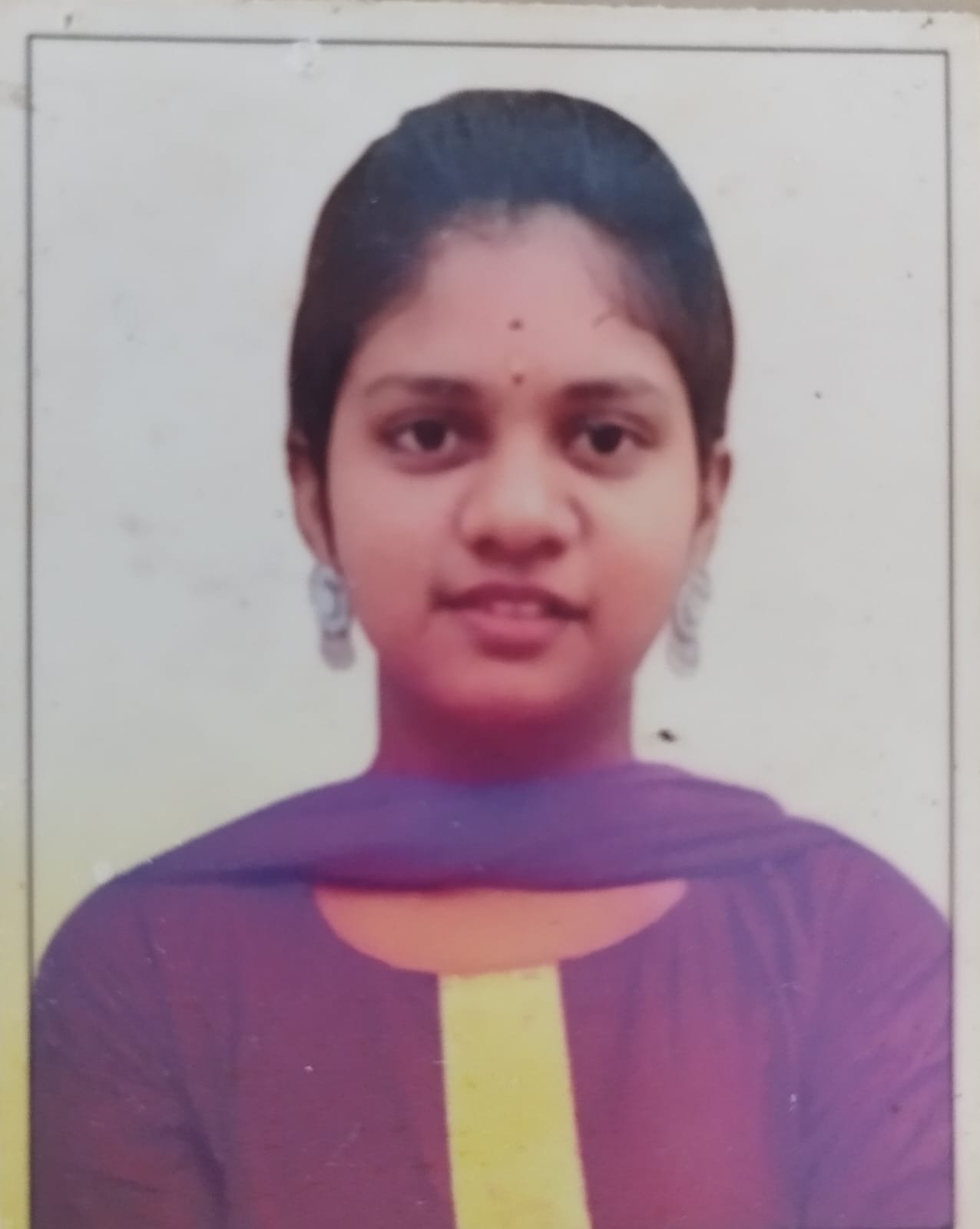
S. Rajeswari
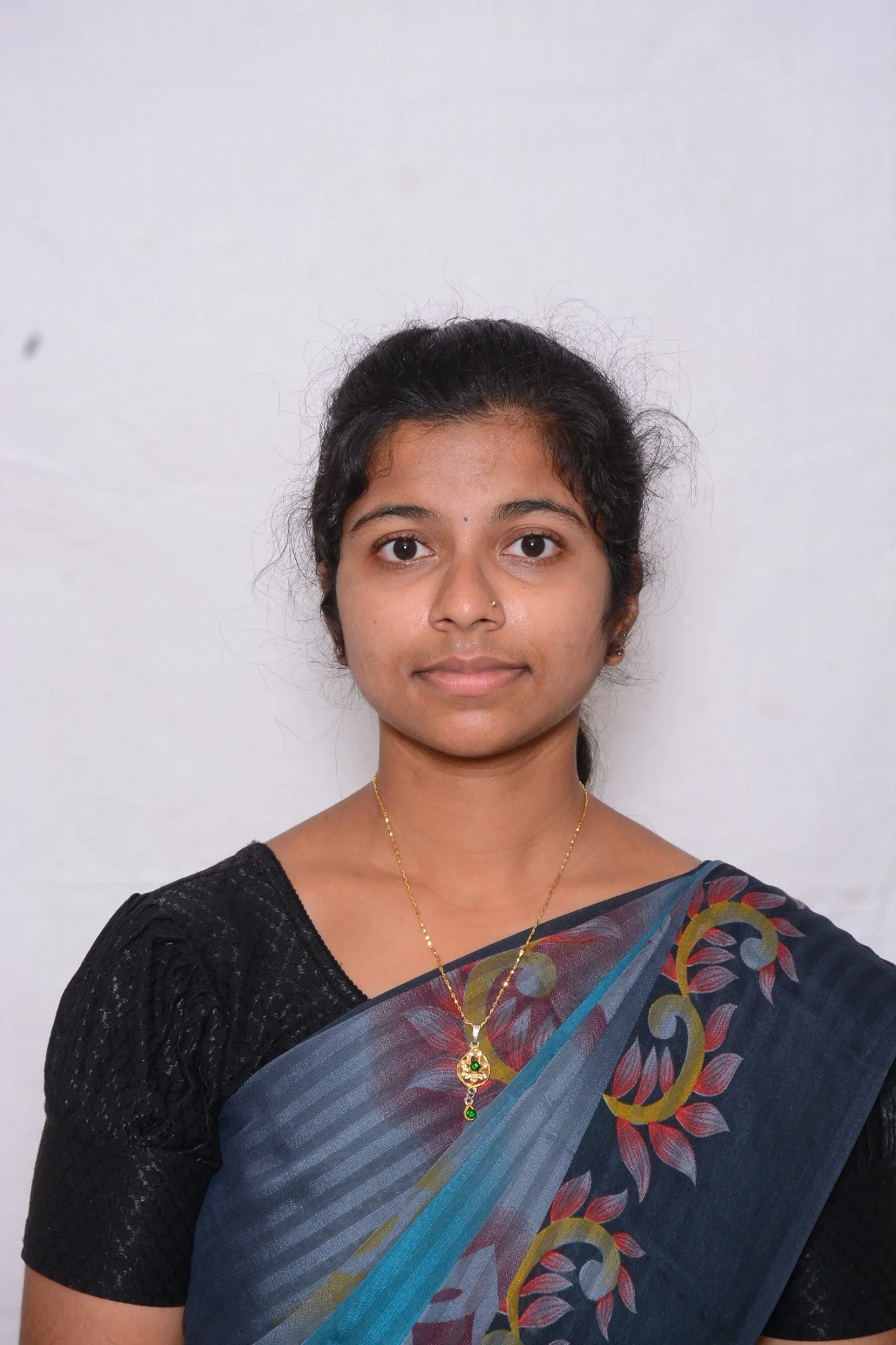
D. Taraka Nandini
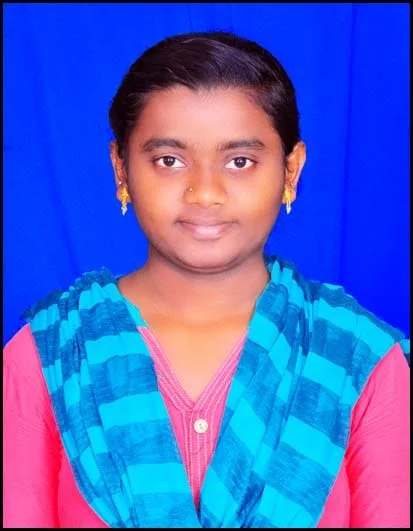
MD. Karishma
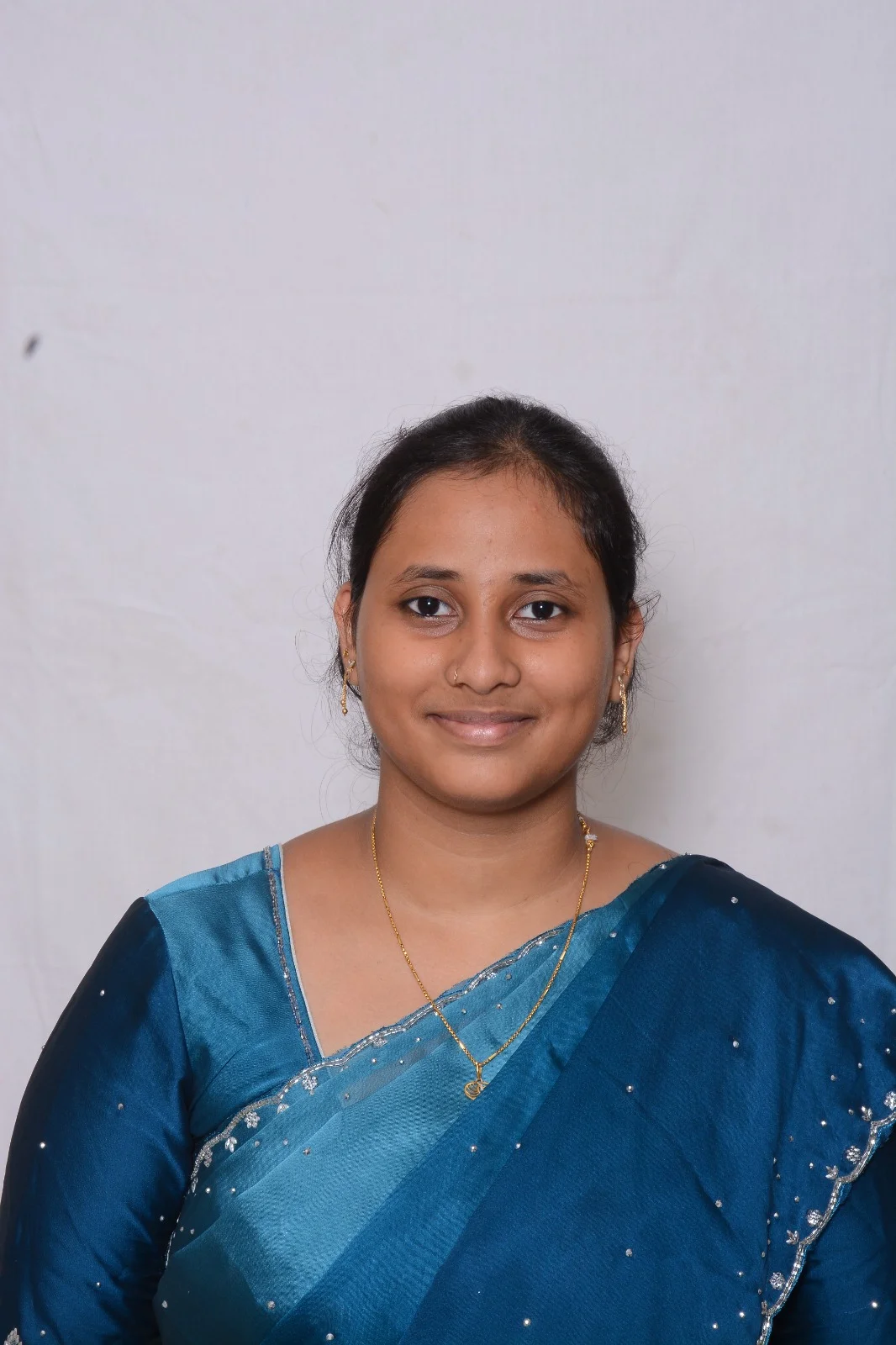
Humera Tanveer
M. Saranya
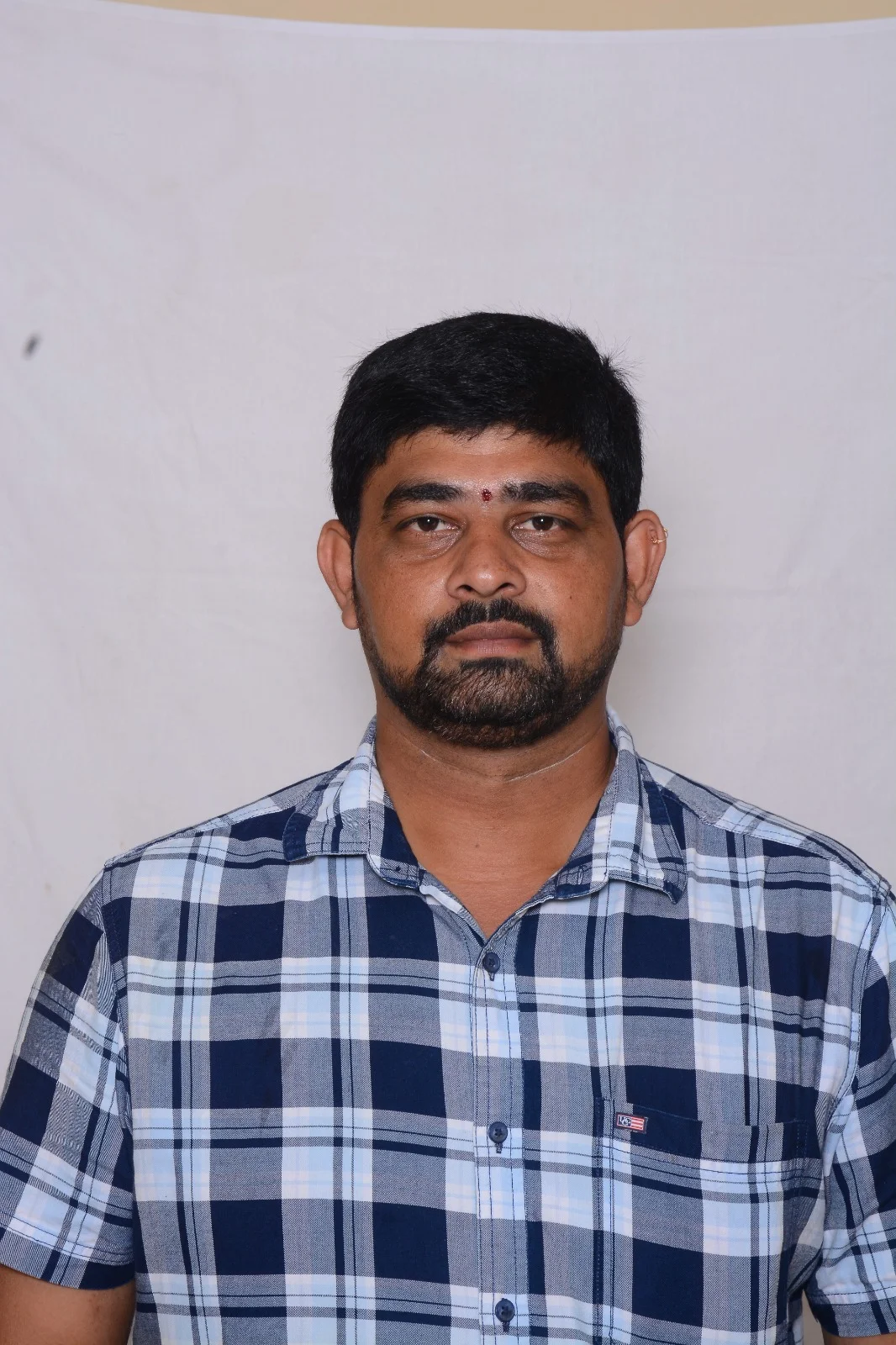
B. Raja Kishore
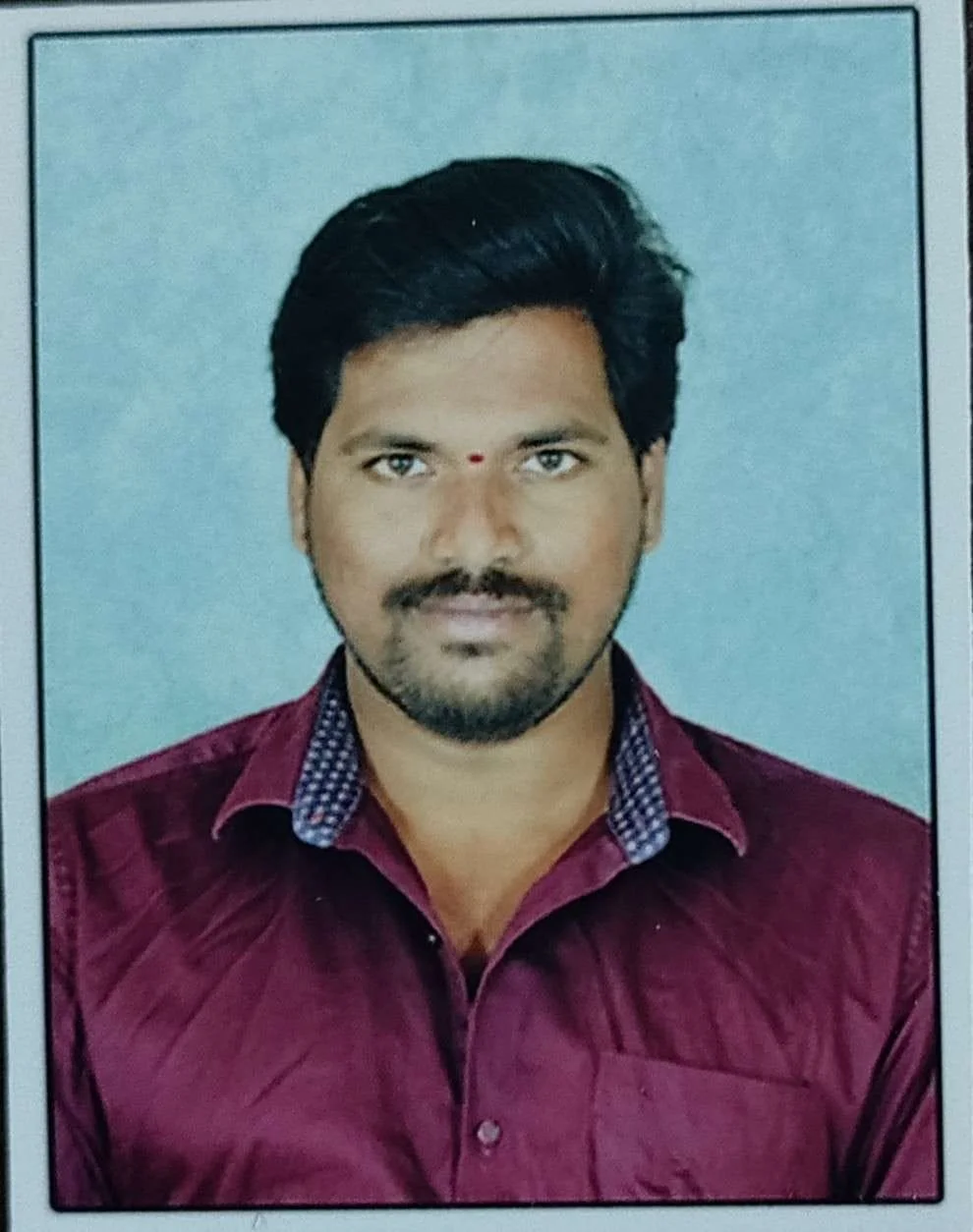
A.S.V. Prasad
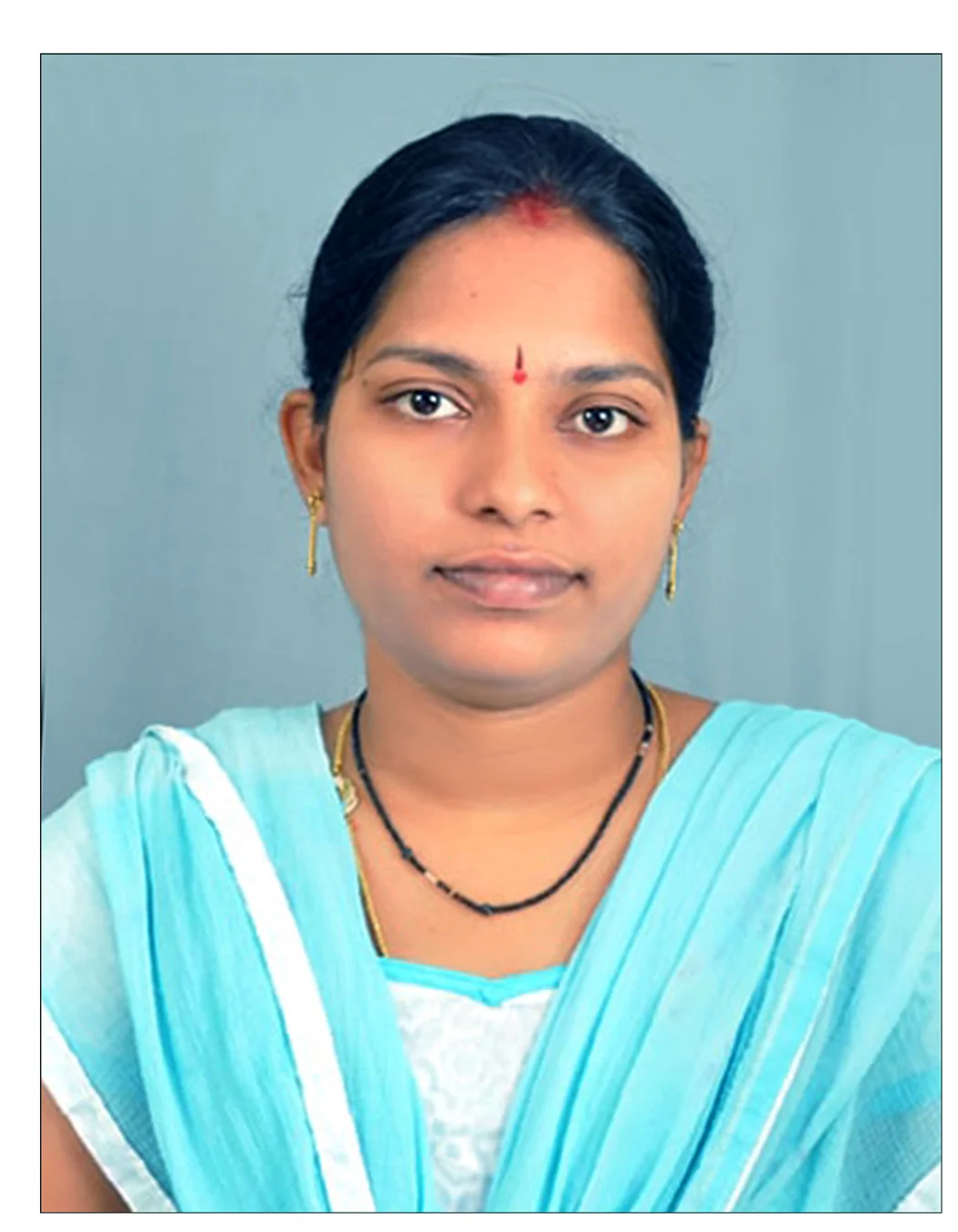
V. Chaitanya Kumari
Placements
Campus placement information and student placement records for the 2022–2026 batch.
| Student Name | Roll Number |
|---|---|
| Padala Suguna | 223C1A0528 |
| Yannam Tejaswini | 223C1A0540 |
| Vivenkata Manikanta Yaswanth | 223C1A0542 |
| Mopidevi Deepthi Priya | 223C1A0525 |
| Madamala Nageswararao | 223C1A0520 |
| Annam Balaji | 223C1A0504 |
| Shaik Yaseen Ahammed | 223C1A0533 |
| Chittibomma Bharath | 223C1A0510 |
| Pasupuleti Poojitha | 223C1A0530 |
| Macharla Reshma Sri | 223C1A0519 |
| Akula Sripriya | 223C1A0516 |
| K.M.V.N. Sruthi | 223C1A0502 |
| Mandapati Venkata Naga Manaswini | 223C1A0522 |
| Gunturu Lakshmi Gayathri | 223C1A0513 |
| Appanabhotla Janani | 223C1A0505 |
| Parise Viswa Nandini | 223C1A0403 |
| Uddagiri Harshith | 223C1A0537 |
| Madamala Yagnasridevi | 223C1A0521 |
| Student Name | Roll Number |
|---|---|
| U.S.S. Sindhuja | 22301A0538 |
| Botla Surendra Babu | 23C1A0506 |
| Padala Suguna | 223C1A0528 |
| Vissamsetti V. M. Yaswanth | 22301A0542 |
| Pasupuleti Poojitha | 22301A0530 |